





How many types of trailers are there?
 Jul 09, 2025|
 View:1044
Trailers are an essential part of the transportation and logistics industry, serving various purposes from hauling goods to providing mobile living spaces. They come in different shapes, sizes, and configurations, each designed for specific needs. This article explores the major types of trailers, their features, and their applications.
1. Flatbed Trailers
Flatbed trailers are among the most common and versatile types. They have an open, flat deck without sides or a roof, making them ideal for transporting oversized or irregularly shaped cargo.

Features:
No walls or roof, allowing easy loading from any side.
Made from steel or aluminum for durability.
Available in various lengths (typically 48 to 53 feet).
Uses:
Construction materials (steel beams, lumber).
Heavy machinery (tractors, bulldozers).
Oversized loads (wind turbine blades, prefab homes).
2. Dry Van Trailers
Dry van trailers are fully enclosed, protecting cargo from weather and theft. They are widely used in general freight transportation.
Features:
Solid walls and roof, usually made of aluminum or fiberglass.
Rear doors for loading/unloading.
Standard lengths: 48 ft, 53 ft.
Uses:
Consumer goods (electronics, clothing).
Packaged food and beverages.
Non-perishable freight.
3. Refrigerated Trailers (Reefers)
Refrigerated trailers, or reefers, are temperature-controlled trailers used for perishable goods.

Features:
Insulated walls with refrigeration units.
Temperature range: -20°F to 80°F (-29°C to 27°C).
Often equipped with GPS temperature monitoring.
Uses:
Frozen foods (meat, ice cream).
Fresh produce (fruits, vegetables).
Pharmaceuticals (vaccines, medicines).
4. Lowboy Trailers
Lowboy trailers have a lower deck height, making them suitable for tall and heavy equipment.
Features:
Two deck levels (gooseneck and main deck).
Hydraulic ramps for loading heavy machinery.
Maximum weight capacity: 80,000+ lbs.
Uses:
Construction equipment (cranes, excavators).
Military vehicles.
Industrial machinery.
5. Step Deck Trailers
Step deck trailers (or drop deck trailers) have a lower middle section, allowing taller cargo than flatbeds.
Features:
Two-level deck with a step-down middle.
Rear loading ramps.
Typical length: 48–53 ft.
Uses:
Large vehicles (tractors, boats).
Manufacturing equipment.
Oversized freight.
6. Double Drop Trailers
Double drop trailers have an even lower deck than step decks, ideal for extremely tall cargo.
Features:
Significant drop in the middle (up to 10 ft clearance).
Requires ramps for loading.
Uses:
Wind turbine components.
Prefab housing sections.
Large industrial parts.
7. Extendable Flatbed Trailers
These trailers can be lengthened to accommodate oversized loads.
Features:
Adjustable length (up to 80 ft).
Hydraulic or manual extension mechanisms.
Uses:
Pipelines.
Bridge sections.
Long steel beams.
8. Conestoga Trailers
Conestoga trailers combine the protection of a dry van with the flexibility of a flatbed.
Features:
Retractable tarp system instead of solid walls.
Protects cargo from weather while allowing top loading.
Uses:
Sensitive machinery.
Aerospace components.
High-value freight.
9. Tanker Trailers
Tanker trailers transport liquids or gases in bulk.

Features:
Cylindrical or elliptical tank design.
Made from aluminum, stainless steel, or fiberglass.
May have compartments for multiple liquids.
Uses:
Fuel (gasoline, diesel).
Chemicals (acids, solvents).
Food-grade liquids (milk, cooking oil).
10. Livestock Trailers
Designed for transporting animals safely and comfortably.
Features:
Ventilated walls.
Multiple compartments.
Non-slip flooring.
Uses:
Cattle, horses, pigs.
Poultry transport.
11. Car Hauler Trailers
Specialized trailers for transporting multiple vehicles.
Features:
Multi-level decks.
Hydraulic lifts for loading.
Uses:
Automobile shipping.
Dealership vehicle transport.
12. Dump Trailers
Dump trailers are Used for loose materials like sand, gravel, or debris.

Features:
Hydraulic lift mechanism.
Reinforced sides.
Uses:
Construction waste.
Agricultural products.
13. Utility Trailers
Small, versatile trailers for personal or light commercial use.
Features:
Open or enclosed designs.
Lightweight (often towed by pickup trucks).
Uses:
ATVs, motorcycles.
Lawn equipment.
14. Boat Trailers
Specifically designed to transport watercraft.
Features:
Adjustable bunks or rollers.
Submersible for easy launching.
Uses:
Small to medium-sized boats.
15. Travel Trailers (RVs)
Mobile living spaces for camping and road trips.
Features:
Sleeping, kitchen, and bathroom facilities.
Various sizes (from teardrop to fifth-wheel).
Uses:
Recreational travel.
From flatbeds to refrigerated units, trailers serve diverse industries with specialized designs. Choosing the right trailer depends on cargo type, weight, and transportation needs. Understanding these variations ensures efficient and safe freight movement.
Recommended Products

4-Axle Dump Trailer For Grain Transportation

3-Axle Dump Trailer For Grain Transportation
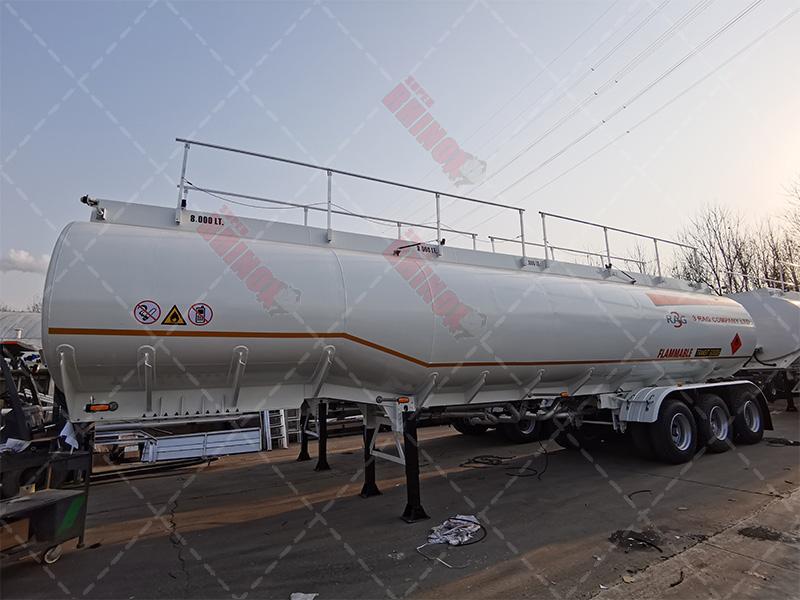
42CBM 3 Axle Aluminium Fuel Tanker Trailer for sale
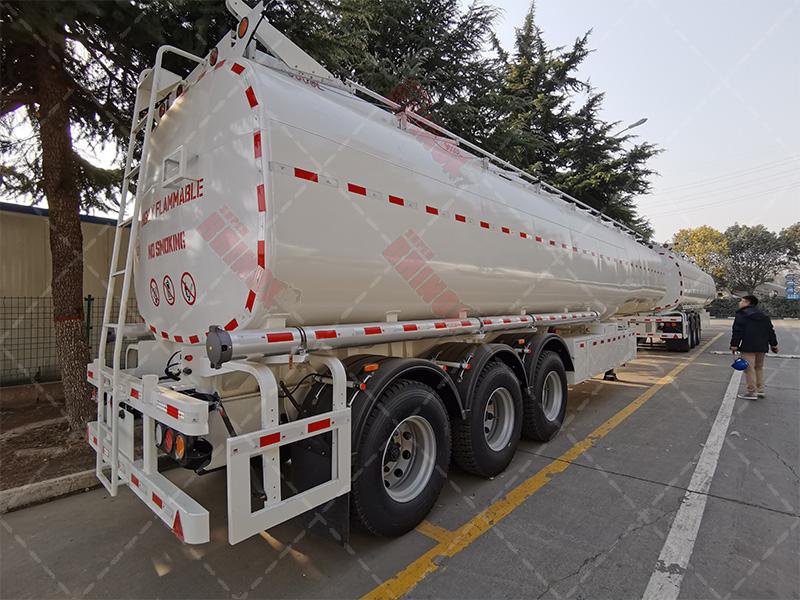
42CBM Diesel Fuel Tanker Trailer with Three Axles

5 Ton Refrigerated truck (ISUZU 4x2)

48ft refrigerated semi trailer with three axles

Tri Axle 40FT Flatbed Semi Trailer for Heavy Duty Container Transport Trailer

High Capacity 3 Axle Flatbed Trailer for Heavy Duty Transport