





How much does a new refrigerated truck cost?
 Feb 08, 2025|
 View:2041
Refrigerated trucks, also known as reefer trucks, are essential for transporting perishable goods. These vehicles maintain specific temperature ranges to ensure that food products, pharmaceuticals, and other temperature-sensitive items remain fresh during transit. With the growing demand for cold chain logistics, businesses are increasingly investing in refrigerated trucks. However, the cost of a new refrigerated truck can vary significantly based on various factors. This article explores the factors that influence the cost, typical price ranges, financing options, and considerations for purchasing a refrigerated truck.
Factors Influencing the Cost of a New Refrigerated Truck
Type of Truck: The type of refrigerated truck you choose significantly affects its price. Options include:
Light-Duty Trucks: These are suitable for small deliveries and typically cost between $25,000 and $50,000.
Medium-Duty Trucks: Often used for local deliveries, these trucks generally range from $50,000 to $100,000.
Heavy-Duty Trucks: Designed for long-haul transportation, heavy-duty refrigerated trucks can cost anywhere from $100,000 to over $200,000, depending on the specifications.
Refrigeration Unit: The refrigeration system is a critical component of a refrigerated truck. Costs can vary based on the type of unit installed:
Direct Drive Units: These are powered by the truck’s engine and are typically less expensive, ranging from $5,000 to $15,000.
Self-Contained Units: These units have their own engine and provide more flexibility. They can cost from $10,000 to $30,000 or more, depending on capacity and features.
Size and Capacity: The size of the truck and the volume of goods it can carry directly influence the cost. Larger trucks with greater capacity typically command higher prices.
Customization and Features: Many businesses require specialized features for their refrigerated trucks, such as:
Multi-Temperature Zones: Trucks designed to handle different temperature ranges can be more expensive.
Insulation Quality: Higher-quality insulation materials can increase the price but improve energy efficiency.
Advanced Technology: Features like telematics systems, GPS tracking, and temperature monitoring can add to the overall cost.
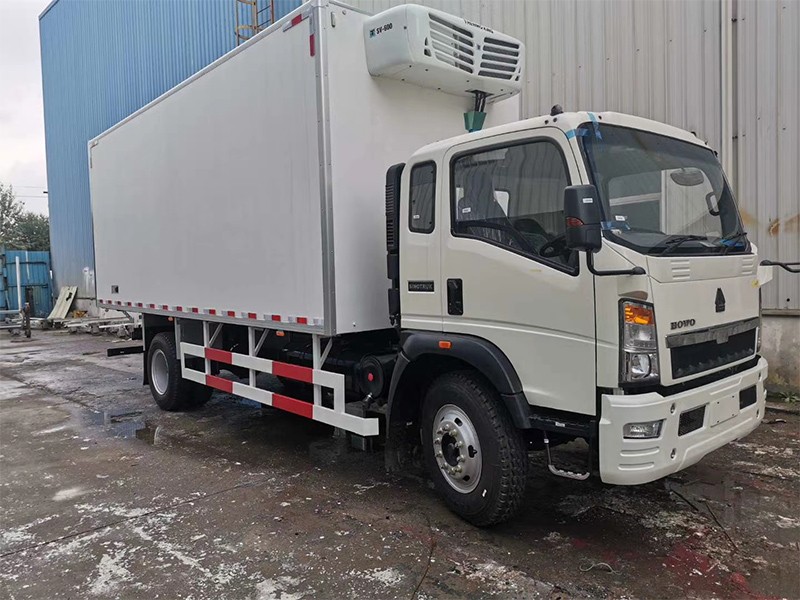
Brand and Model: The manufacturer and model of the truck can also affect pricing. Well-known brands with a reputation for reliability may be priced higher, but they often offer better resale value and lower maintenance costs.
Market Conditions: Fluctuations in the automotive market, supply chain disruptions, and changes in demand can impact prices. For example, economic downturns or global events (like a pandemic) can lead to increased prices due to supply shortages.
Location: Prices can vary based on geographic location due to differences in demand, taxes, and regulations. Urban areas may have higher prices due to increased demand for refrigerated transport.
Typical Price Ranges
Based on the factors mentioned above, here are some typical price ranges for new refrigerated trucks:
Light-Duty Refrigerated Trucks: $25,000 - $50,000
Medium-Duty Refrigerated Trucks: $50,000 - $100,000
Heavy-Duty Refrigerated Trucks: $100,000 - $200,000+
Refrigeration Units: $5,000 - $30,000+ (depending on type and capacity)
Financing Options
Purchasing a new refrigerated truck is a significant investment, and many businesses explore financing options to manage the cost. Common financing methods include:
Loans: Traditional bank loans or loans from specialized lenders can help businesses finance the purchase. The terms, interest rates, and repayment periods will vary based on the lender and the borrower’s credit history.
Leasing: Leasing a refrigerated truck allows businesses to use the vehicle without the upfront cost of purchasing it outright. Lease payments are often lower than loan payments, making this an attractive option for businesses with tight cash flow.
Government Programs: Some governments offer grants or incentives for businesses that invest in energy-efficient vehicles, including refrigerated trucks. Researching available programs can help reduce the overall cost.
Trade-In Options: If a business already owns a refrigerated truck, trading it in can offset some of the costs of purchasing a new one.
Considerations for Purchasing a Refrigerated Truck
When considering the purchase of a new refrigerated truck, businesses should keep the following factors in mind:
Operational Needs: Assess the specific requirements for your business, including the types of goods you transport, the distances involved, and temperature requirements. This assessment will help determine the appropriate size and type of truck.
Total Cost of Ownership: Beyond the initial purchase price, consider ongoing costs such as maintenance, insurance, fuel, and depreciation. A more expensive truck may offer better fuel efficiency and reliability, ultimately saving money in the long run.
Resale Value: Some truck brands and models retain their value better than others. Researching resale values can help inform your decision, especially if you plan to sell or trade in the truck in the future.
Regulatory Compliance: Ensure that the refrigerated truck meets local and federal regulations for transporting perishable goods. Compliance with food safety standards is critical for businesses in the food industry.
Service and Support: Choose a manufacturer or dealer that offers reliable service and support. Access to maintenance and repairs can minimize downtime and contribute to the longevity of the vehicle.
Warranty and Coverage: Review the warranty options available for the truck and refrigeration unit. Comprehensive warranties can provide peace of mind and protect against unexpected repair costs.
The cost of a new refrigerated truck can vary widely based on numerous factors, including the type of truck, refrigeration system, size, and additional features. Businesses must carefully evaluate their needs and budget to make an informed decision. With the right financing options and considerations, investing in a refrigerated truck can significantly enhance a company’s ability to deliver perishable goods safely and efficiently, ultimately contributing to its success in the competitive marketplace.