





How should you transport a load on a flatbed trailer?
 Dec 16, 2024|
 View:1124
Transporting a load on a flatbed trailer requires careful planning and execution to ensure safety and compliance with regulations. Here is a comprehensive guide on how to effectively transport a load on a flatbed trailer.
1. Understanding Flatbed Trailers
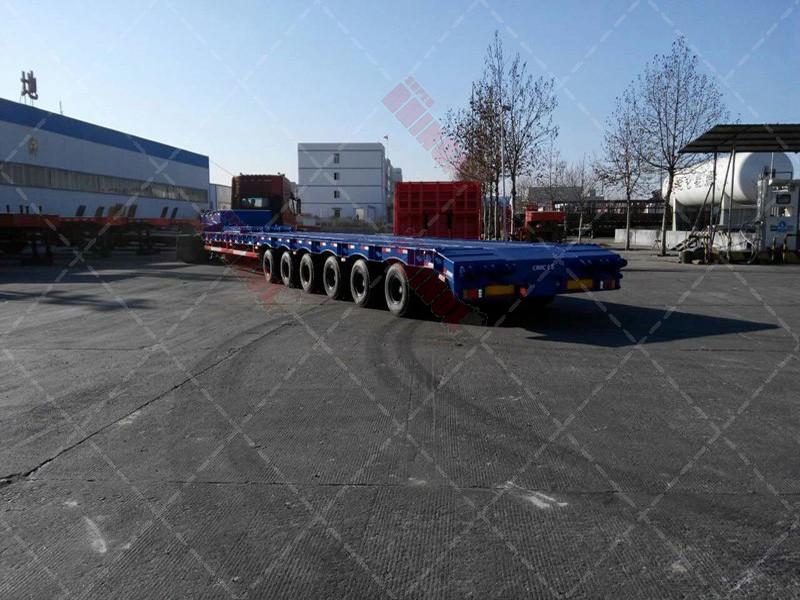
Flatbed trailers are versatile and commonly used for transporting large, heavy, or oddly shaped loads. They lack sides and a roof, allowing for easy loading and unloading from any angle. However, this design also means that securing the load is crucial to prevent shifting during transit.
Types of Flatbed Trailers
Standard Flatbed: Basic design for general cargo.
Step Deck: Lower deck height for taller loads.
Double Drop: Two drops in height, ideal for oversized loads.
Extendable Flatbed: Can be extended for longer loads.
2. Planning the Load
Assess the Load
Weight: Determine the total weight of the load, including any additional equipment.
Dimensions: Measure the length, width, and height to ensure it fits on the flatbed trailer.
Center of Gravity: Identify the center of gravity to maintain stability.
Load Distribution
Proper weight distribution is essential for safe transport. The load should be evenly distributed across the flatbed trailer.
Front to Back: Aim for a 60/40 or 70/30 weight distribution towards the front.
Side to Side: Ensure the load is centered to avoid tipping.
Legal Considerations
Check local regulations regarding weight limits, load size, and necessary permits for oversized loads. Ensure compliance with:
Gross Vehicle Weight Rating (GVWR): The maximum weight a vehicle can safely carry.
State and Federal Regulations: Vary by region and may require special permits.
3. Loading the flatbed Trailer
Equipment Needed
Forklifts or Cranes: For heavy or awkward loads.
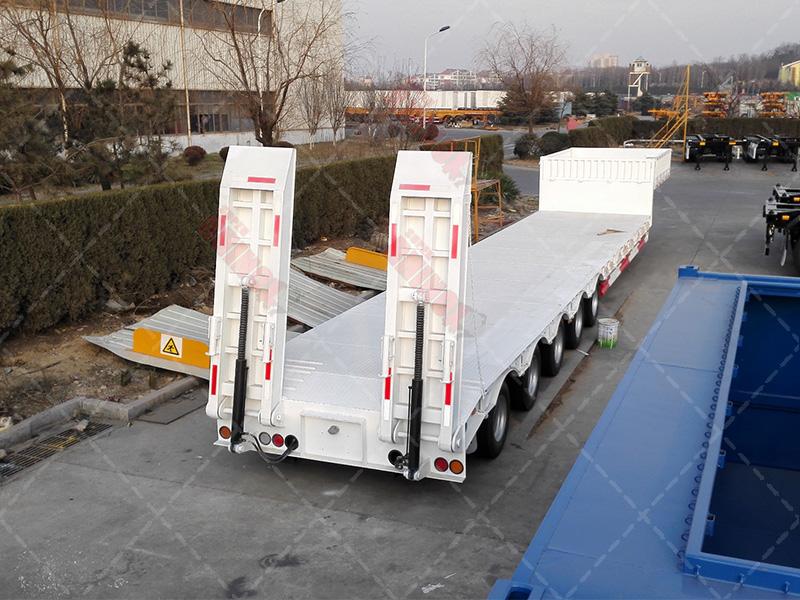
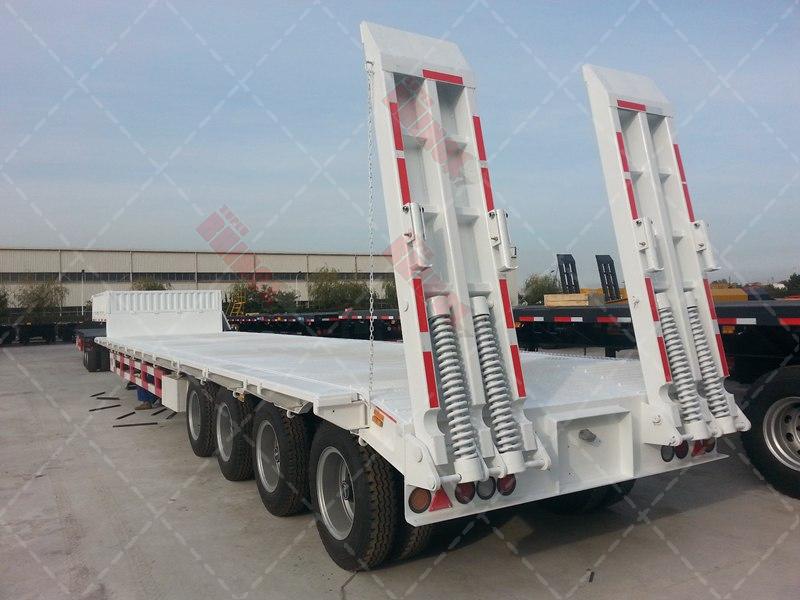
Ramps: For wheeled loads, ensure they are sturdy and properly placed.
Straps and Chains: To secure the load.
Loading Process
Position the Trailer: Ensure the flatbed trailer is on level ground.
Use Proper Equipment: Utilize forklifts or cranes to place the load.
Check Clearances: Make sure the load does not exceed height restrictions.
4. Securing the Load
Tie-Down Methods
Proper tie-down techniques are vital to prevent movement during transport.
Webbing Straps: Adjustable and easy to use; suitable for various loads.
Chains: Stronger, ideal for heavy machinery.
Ratchet Straps: Provide tension and are easy to adjust.
Securing Techniques
Over the Top: Place straps over the load and secure to the flatbed trailer.
Side Tie-Downs: Use side anchors for additional security.
Angle Straps: Use at a 45-degree angle for extra stability.
Number of Tie-Downs
The number of tie-downs required depends on the weight of the load:
General Guideline: One tie-down for every 10 feet of cargo, plus one additional for loads over 5,000 lbs.

5. Safety Checks Before Departure
Pre-Trip Inspection
Conduct a thorough inspection of the flatbed trailer and load:
Check Tie-Downs: Ensure all straps and chains are tight.
Inspect the Load: Ensure it’s secure and stable.
Brake Lights and Signals: Verify that all lights are functioning.
Weight Check
Weigh the loaded flatbed trailer to ensure it complies with legal weight limits.
6. Driving Considerations
Speed and Maneuvering
Adjust Speed: Drive at a reduced speed, especially with heavy or oversized loads.
Take Wide Turns: Ensure the load clears obstacles and does not strike curbs.
Stopping Distance
Increased stopping distance is necessary with heavy loads. Maintain a greater following distance to allow for safe stopping.
Road Conditions
Be aware of weather and road conditions. Avoid driving in severe weather and adjust your driving according to road surfaces.
7. Unloading the flatbed Trailer
Preparation for Unloading
Choose a Safe Location: Ensure the area is clear of obstacles and traffic.
Use Proper Equipment: Prepare forklifts or cranes as needed.
Unloading Process
Position the Trailer: Ensure it is on level ground.
Remove Tie-Downs: Carefully remove all straps and chains while ensuring the load remains stable.
Lower the Load: Use appropriate equipment to safely lower the load.
8. Post-Transport Considerations
Inspection After Delivery
Conduct a post-transport inspection of the flatbed trailer and load area. Look for:
Wear and Tear: Check for any damage to the flatbed trailer or load.
Tie-Down Equipment: Inspect for frayed or damaged straps and chains.
Documentation
Ensure all necessary paperwork is completed, including:
Bill of Lading: A receipt for the cargo transported.
Inspection Reports: Document any issues encountered during transport.
Transporting a load on a flatbed trailer involves meticulous planning, secure loading, and safe driving practices. By following these guidelines, you can ensure the safe and legal transport of your cargo. Always prioritize safety and compliance to protect yourself, your cargo, and other road users.




Recent News
1.How does a maxi flatbed trailer differ from other types of trailers?
2023-11-102.What are the advantages of using a flatbed maxi for transportation?
2023-11-153.How do I inspect the condition of used 48x102 flatbed trailers for sale by owner?
2023-11-174.Are there any specific features or specifications to consider when purchasing a flatbed 48x102 on Craigslist?
2023-12-065.Hot Shot Flatbed Trailers: The Versatile Workhorses of the Transport Industry
2024-07-026.How much does a 5x8 flatbed trailer weight?
2024-08-14