





What is the difference between full trailer vs semi trailer?
 Dec 20, 2024|
 View:1898
In the world of transportation, trailers play a crucial role in the logistics and shipping industries. Two common types of trailers are full trailers and semi-trailers. Though they serve similar purposes, they have distinct designs, functionalities, and applications. This article delves into the differences between full trailers and semi-trailers, exploring their features, advantages, and typical uses.
Definition and Design
Full Trailer
A full trailer is a type of trailer that is supported by its own set of wheels and axles and has a coupling mechanism at the front that attaches to a towing vehicle. Full trailers have two or more axles, which can provide stability and load-bearing capacity. They are designed to be towed by a vehicle equipped with a hitch, and they do not rely on the towing vehicle for support.
Semi-Trailer
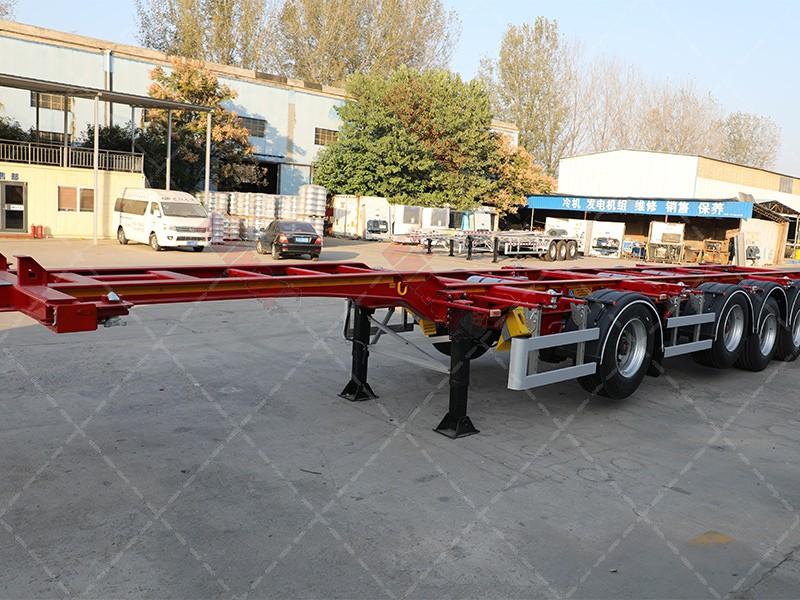
In contrast, a semi-trailer is designed to be partially supported by the towing vehicle. It has a rear axle and wheels but relies on a fifth wheel coupling mounted on the towing vehicle for stability. This design allows the majority of the weight of the semi-trailer to be carried by the truck that tows it. Semi-trailers are typically longer than full trailers and can be configured in various ways to carry different types of cargo.
Structural Differences
Axle Configuration
Full Trailer: A full trailer usually has two or more axles, which are located at the rear. This configuration provides balanced weight distribution across the trailer and allows it to carry heavy loads.
Semi-Trailer: A semi-trailer typically has one or more axles at the rear, with the front portion resting on the towing vehicle’s fifth wheel. This design allows the semi-trailer to pivot at the hitch, which can improve maneuverability.
Coupling Mechanism
Full Trailer: Full trailers are connected to the towing vehicle using a standard hitch. This connection allows for stability during transportation but limits the turning radius compared to semi-trailers.
Semi-Trailer: Semi-trailers utilize a fifth-wheel coupling, which enables the trailer to pivot. This design allows for better maneuverability in tight spaces, making semi-trailers ideal for urban deliveries.
Weight Distribution
Full Trailer: The weight on a full trailer is evenly distributed across its axles, which can enhance stability when towing heavy loads.
Semi-Trailer: The weight of a semi-trailer is distributed between the trailer and the towing vehicle. This configuration can lead to greater flexibility in load distribution and can help minimize wear on the tires.
Advantages and Disadvantages
Advantages of Full Trailers
Stability: Full trailers are often more stable when loaded, thanks to their design, which distributes weight evenly across multiple axles.
Less Wear on Towing Vehicle: Since full trailers bear their own weight, the towing vehicle experiences less strain, potentially leading to lower maintenance costs.
Versatility: Full trailers can be used for various applications, including transporting heavy machinery, construction materials, and bulk goods.
Disadvantages of Full Trailers
Maneuverability: Full trailers can be more challenging to maneuver in tight spaces compared to semi-trailers due to their fixed coupling design.
Turning Radius: The turning radius of a full trailer is generally larger, which can be a disadvantage in urban or crowded environments.
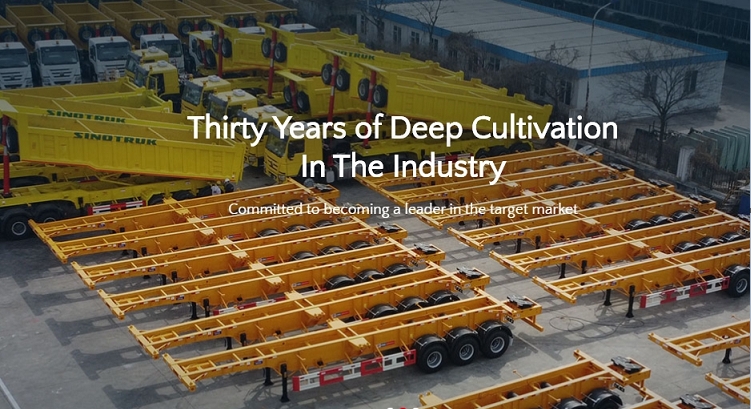
Advantages of Semi-Trailers
Maneuverability: Semi-trailers are easier to maneuver, especially in urban settings, due to their pivoting design.
Flexibility: The ability to detach the semi-trailer from the towing vehicle allows for more flexible operations, such as loading and unloading cargo without having to move the truck.
Capacity: Semi-trailers can often carry larger loads than full trailers, making them ideal for long-haul trucking.
Disadvantages of Semi-Trailers
Weight Distribution Issues: Improper loading can lead to uneven weight distribution, which can affect handling and safety.
Increased Wear on Towing Vehicle: Since semi-trailers rely on the towing vehicle for support, they can put additional strain on the truck, leading to increased maintenance costs.
Applications
Full Trailers
Full trailers are commonly used in industries where stability and load-bearing capacity are paramount. Some typical applications include:
Construction: Transporting heavy machinery and construction materials, such as concrete and steel beams.
Agriculture: Hauling bulk agricultural products, such as grains or livestock feed.
Local Deliveries: Used for short-distance transportation of goods where stability is essential.
Semi-Trailers
Semi-trailers are widely used in long-haul trucking and logistics due to their flexibility and capacity. Common applications include:
Freight Transport: Ideal for transporting goods over long distances, including consumer products, automotive parts, and industrial materials.
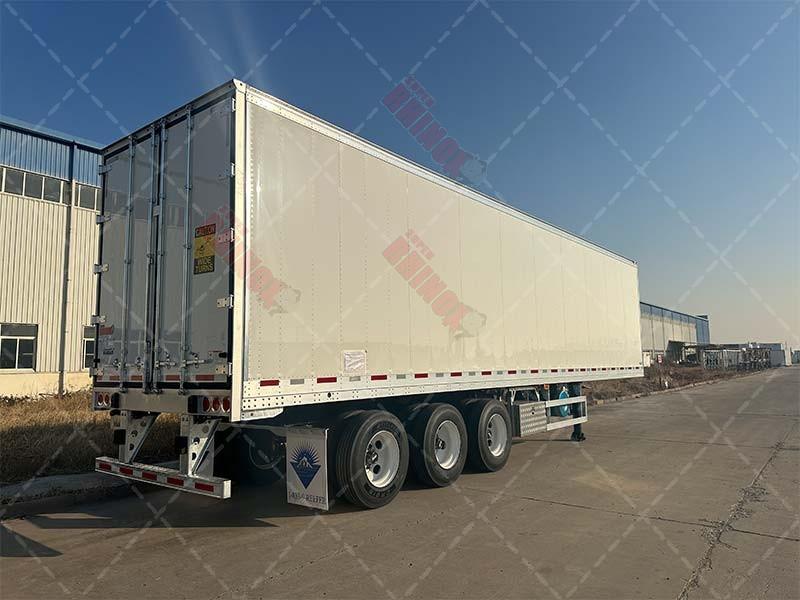
Refrigerated Transport: Many semi-trailers are equipped with refrigeration units to transport perishable goods.
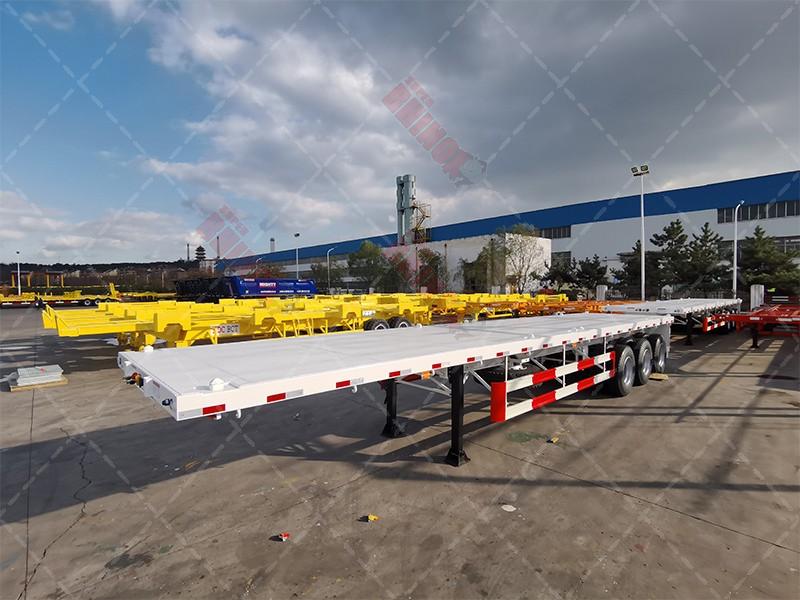
Flatbed Trailers: Used for transporting oversized loads, such as machinery, construction materials, or vehicles.
Regulatory Considerations
When operating full trailers and semi-trailers, drivers and companies must adhere to various regulations. These may include weight limits, safety standards, and licensing requirements.
Weight Limits: Different jurisdictions have specific weight limits for trailers, which can affect how much cargo can be transported legally.
Safety Standards: Both types of trailers must comply with safety standards, including lighting, braking systems, and tire specifications.
Licensing: In many regions, drivers must have specific licenses to operate vehicles towing trailers, particularly if the combined weight exceeds certain thresholds.
In summary, both full trailers and semi-trailers play vital roles in the transportation and logistics industries. While they share similarities in function, their structural differences, advantages, and applications set them apart. Full trailers offer stability and reduced strain on towing vehicles, making them suitable for heavy loads and local deliveries. Conversely, semi-trailers provide increased maneuverability and flexibility, making them ideal for long-haul trucking and various freight applications.
Understanding these differences is crucial for businesses and individuals involved in transportation, as it can influence decisions regarding equipment purchases, operational strategies, and compliance with regulations. Whether choosing a full trailer or a semi-trailer, the right choice will depend on the specific needs of the transport operation.
Recent News
1.How to properly load and secure cargo on a semi truck triple trailer?
2023-12-042.What is the average lifespan of a semi tipper for sale?
2024-01-123.What's the difference between semi trailer and trailer?
2024-07-194.What is a lowbed semi trailer?
2024-11-155.Difference between semi trailer and trailer-Super RHINOX VEHICLE
2024-12-05