





How long is a semi truck with trailer
 Dec 31, 2024|
 View:1729
A semi-truck, also known as a tractor-trailer, consists of two main components: the tractor (the front part that contains the engine and driver's cab) and the trailer (the rear part that carries cargo). The combination of these two components allows for the transportation of goods over long distances.
Typical Length Specifications
The length of a semi-truck with a trailer can vary significantly based on several factors, including:
Type of Trailer: Different types of trailers (e.g., flatbed, refrigerated, dry van) can have different lengths.
Regulatory Limits: Different states and countries have regulations governing the maximum allowable lengths for semi-trucks and trailers.
Standard Lengths:
Tractor Length: The average length of a tractor unit is typically between 18 to 25 feet (5.5 to 7.6 meters).
Trailer Length: The most common trailer length is 53 feet (16.15 meters) for freight transport. However, trailers can range from 28 feet (8.5 meters) for shorter loads to 48 feet (14.6 meters) for standard freight.
Total Combined Length:
A standard semi-truck with a 53-foot trailer generally measures around 70 to 80 feet (21 to 24 meters) in total length. This includes the tractor and trailer combined.
Regulations and Limits
The Federal Motor Carrier Safety Administration (FMCSA) in the United States sets regulations regarding the maximum lengths for trucks and trailers. Here are the general guidelines:
Interstate Highways: The maximum allowable length for a combination vehicle (tractor + trailer) is typically 75 feet (22.86 meters), but many states allow longer configurations, especially for specific types of trailers.
State-Specific Variations: Each state has its regulations. For instance, some states permit up to 80 feet (24.38 meters) for standard combinations.
Length Variations by Trailer Type
Different types of trailers can affect the overall length:
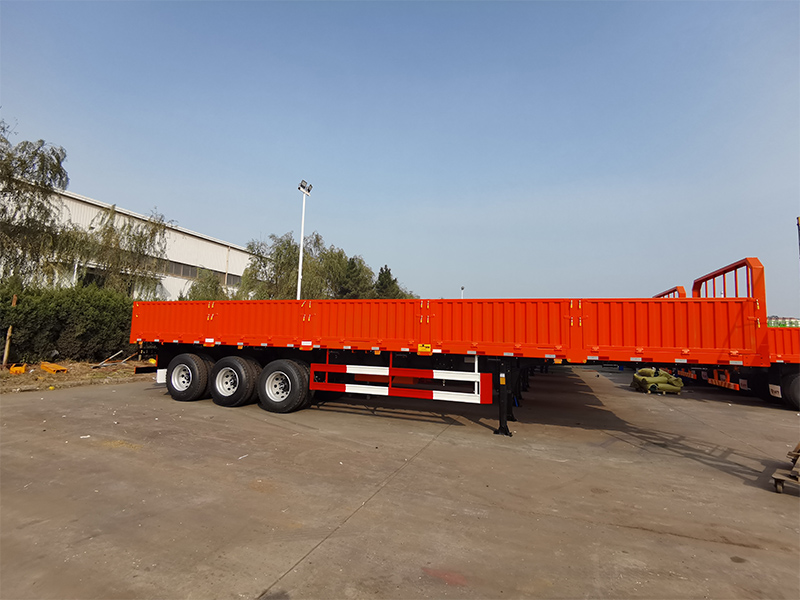
Flatbed Trailers: Typically 48 to 53 feet long, flatbeds are designed for transporting heavy or oversized loads. The total length with a tractor can range from 70 to 80 feet.
Refrigerated Trailers: Also known as reefers, these trailers are commonly 53 feet long. The total length remains similar to standard trailers, around 70 to 80 feet.
Dry Van Trailers: Standard dry vans are usually 53 feet long, resulting in a total length similar to other trailer types.
Impact of Cargo and Load
The type and weight of the cargo can also influence the length of the semi-truck setup. Some specialized cargo may require specific types of trailers that can be longer or shorter than standard models.
Considerations for Maneuverability
While length is a significant factor, maneuverability is another crucial aspect of semi-truck operation. Longer combinations may face challenges in tight spaces, making it essential for drivers to be trained in handling larger vehicles.
Turning Radius: Longer trailers require a larger turning radius, which can impact navigation in urban environments or congested areas.
Backing Up: The longer the vehicle, the more challenging it can be to back up effectively, requiring additional skill and experience.
Innovations in Trucking
Recent innovations in trucking technology have also influenced the design and specifications of semi-trucks. For example:
Aerodynamic Designs: Modern tractors and trailers often incorporate aerodynamic features that can slightly alter their lengths but significantly enhance fuel efficiency.
Telematics: Advanced telematics systems help track the dimensions and weight of loads, optimizing routes for efficiency and compliance with length regulations.
In summary, the length of a semi-truck with a trailer varies based on several factors, including the type of trailer, regulatory limits, and the specific cargo being transported.
While a standard semi-truck with a 53-foot trailer typically measures around 70 to 80 feet in total length, this can change based on state regulations and the type of trailer used. Understanding these dimensions is crucial for safe operation on highways and in urban settings, ensuring compliance with traffic laws and enhancing overall safety on the roads.
As the trucking industry continues to evolve, staying informed about vehicle specifications and regulations is essential for drivers, fleet managers, and logistics professionals alike.
Recommended Products
Recent News
1.How to properly load and secure cargo on a semi truck triple trailer?
2023-12-042.What's the difference between semi trailer and trailer?
2024-07-193.Difference between semi trailer and trailer-Super RHINOX VEHICLE
2024-12-054.What is the average lifespan of a semi tipper for sale?
2024-01-125.What is a lowbed semi trailer?
2024-11-15