





What is the difference between a lowboy trailer and a lowbed trailer?
 Dec 04, 2024|
 View:2807
When it comes to heavy hauling and transporting oversized loads, two types of trailers often come into play: lowboy trailers and lowbed trailers. While they might seem similar at first glance, there are distinct differences between the two in terms of design, functionality, and applications. This article will explore these differences in detail, breaking down their unique characteristics, uses, and advantages.
1. Definitions and Basic Structures
1.1 Lowboy Trailer
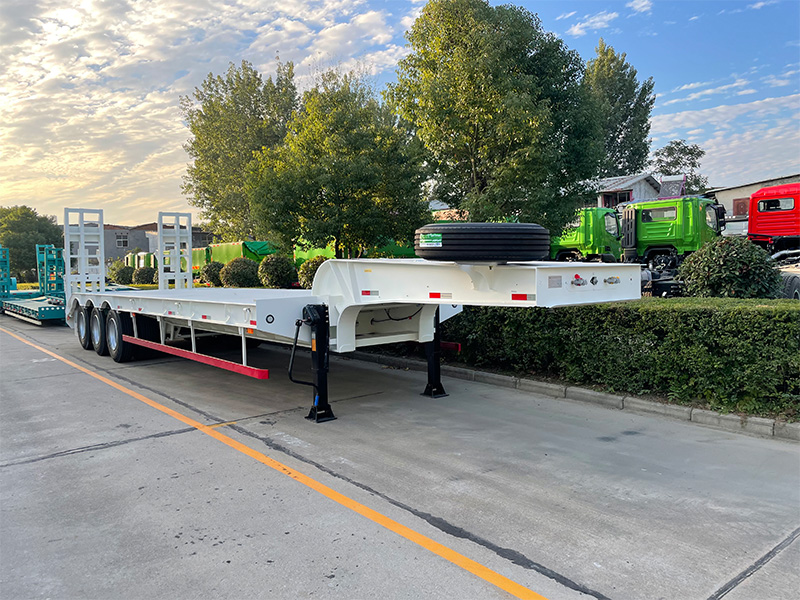
A lowboy trailer is a type of trailer that has a low deck height, allowing for the transportation of taller and heavier loads. These trailers typically have a drop deck design, which means that the deck is lower than the wheels. The main features of lowboy trailers include:
Two Levels: The design usually consists of two levels: the upper deck and a lower deck that drops down to facilitate loading.
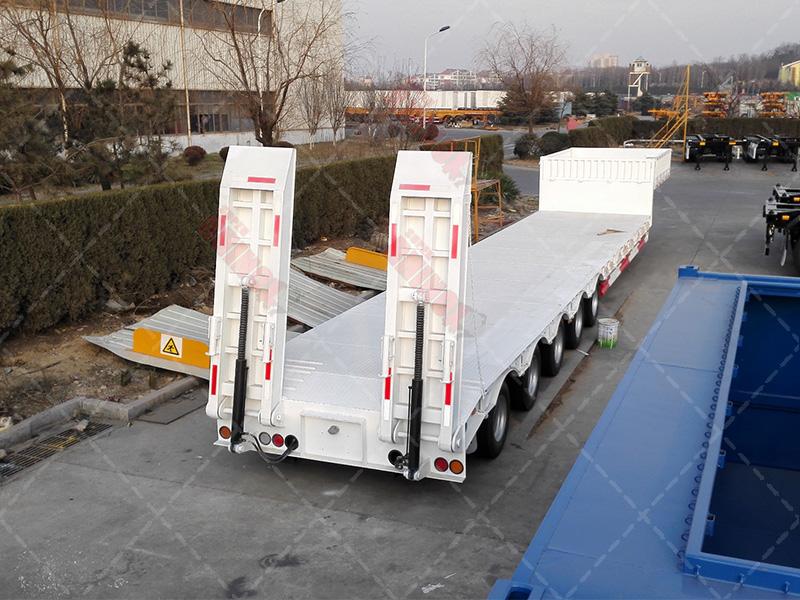
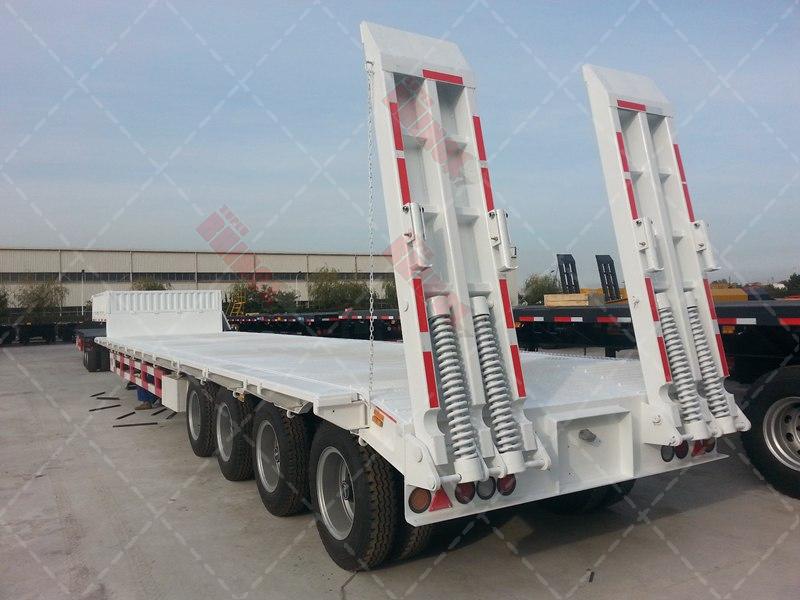
Removable Ramps: Many lowboy trailers come with removable or foldable ramps that make loading and unloading easier for heavy equipment.
Low Profile: The low profile reduces the overall height of the load, making it suitable for transporting oversized items like construction equipment, machinery, and large vehicles.
1.2 Lowbed Trailer
A lowbed trailer is similar in that it also features a low deck height, but it is primarily designed for carrying heavy and oversized cargo with a more robust bed structure. Key characteristics of lowbed trailers include:
Fixed or Detachable Gooseneck: Lowbed trailers often feature a fixed or detachable gooseneck that connects the trailer to the towing vehicle. This design provides stability and allows for easier loading from the front.
Lower Deck Height: Like lowboys, lowbeds have a significantly lower deck height, but they typically have a more rigid structure to handle heavier loads.
Strengthened Frames: Lowbed trailers are built with a stronger frame to accommodate very heavy loads, making them ideal for transporting heavy machinery, equipment, and large industrial items.
2. Design Differences
2.1 Height and Clearance
Lowboy Trailers: The height of the deck is typically lower than that of standard trailers, allowing for a lower center of gravity. This feature is essential for transporting tall equipment safely under bridges and overpasses.
Lowbed Trailers: These trailers are designed with an even lower profile, often featuring a flat deck that is closer to the ground, which provides additional clearance when carrying particularly tall loads.
2.2 Axle Configuration
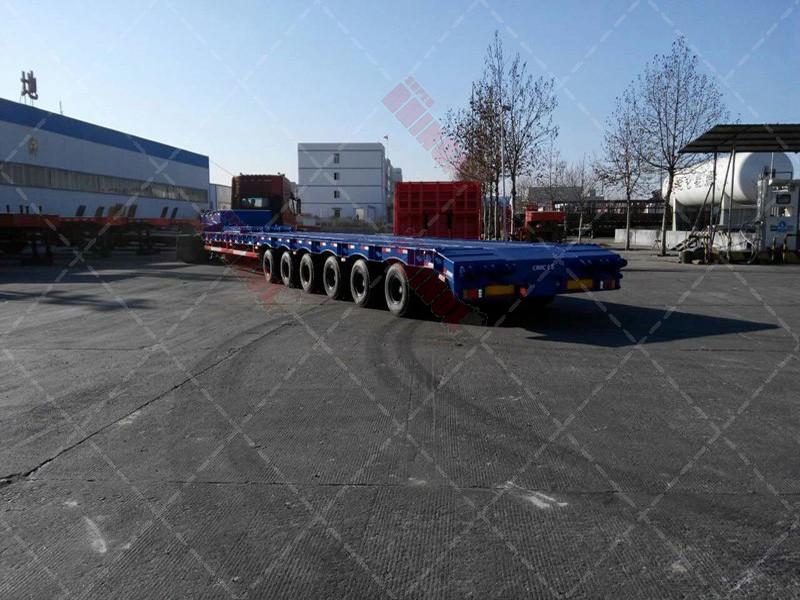
Lowboy Trailers: Lowboys often have multiple axles, which are spaced out to distribute the weight of heavy loads more evenly. This configuration helps prevent damage to the road and ensures compliance with weight regulations.
Lowbed Trailers: Lowbeds may also have multiple axles, but they are often equipped with specialized axle arrangements, such as steering axles, which enhance maneuverability and allow for better weight distribution.

3. Functional Differences
3.1 Loading and Unloading
Lowboy Trailers: The drop deck design allows for easier loading and unloading from the rear or sides. The use of ramps, combined with the low height, makes it ideal for loading heavy machinery directly from the ground.
Lowbed Trailers: The fixed or detachable gooseneck allows for a unique loading method where equipment can be driven directly onto the trailer from the front. This feature is particularly useful for large machinery that cannot be easily maneuvered onto a trailer from the side.
3.2 Weight Capacity
Lowboy Trailers: While lowboys are designed to carry heavy loads, their maximum weight capacity can vary based on the specific design and axle configuration. Standard lowboys typically carry loads ranging from 40,000 to 60,000 pounds.
Lowbed Trailers: These trailers are built to handle extremely heavy loads, often exceeding 80,000 pounds. Their robust design and reinforced frames give them the ability to transport industrial equipment, large construction vehicles, and other heavy items.
4. Applications
4.1 Typical Uses for Lowboy Trailers
Lowboy trailers are commonly used in various industries, including:
Construction: Transporting heavy construction equipment such as excavators, bulldozers, and backhoes.
Agriculture: Moving large agricultural machinery, including tractors and harvesters.
Mining: Transporting oversized equipment and machinery used in mining operations.
4.2 Typical Uses for Lowbed Trailers
Lowbed trailers are primarily used for:
Heavy Equipment Transport: Ideal for transporting large industrial machines, like cranes, drilling rigs, and generators.
Oversized Loads: Suitable for carrying loads that exceed standard dimensions and require special permits for transport.
Specialized Industries: Often utilized in sectors like oil and gas, where heavy machinery is frequently moved to and from job sites.
5. Legal and Regulatory Considerations
Both lowboy and lowbed trailers are subject to regulations regarding size, weight, and load security. However, due to their design and intended use, they may have different permitting requirements.
Lowboy Trailers: Typically require special permits when carrying loads that exceed standard dimensions. The lower height can sometimes allow for easier navigation under bridges and overpasses.
Lowbed Trailers: Often require more stringent permits due to their capacity to carry extremely heavy loads. They may also need escort vehicles for transport on public roads, especially when carrying oversized loads.
6. Choosing the Right Trailer
When deciding between a lowboy and a lowbed trailer, several factors should be considered:
Type of Load: Evaluate the weight, dimensions, and type of equipment you need to transport. Lowbeds are preferable for exceptionally heavy machinery, while lowboys are better for a range of construction equipment.
Loading Method: Consider how you will load and unload the equipment. If you need to drive directly onto the trailer, a lowbed might be the better choice.
Regulatory Compliance: Ensure that you understand the legal requirements for transporting your specific load. This includes weight limits, height restrictions, and necessary permits.
In summary, while lowboy trailers and lowbed trailers share similarities in their low-profile designs, they are built for different purposes and applications. Lowboy trailers are versatile and suitable for a wide range of heavy equipment transportation, while lowbed trailers are specifically designed for extremely heavy loads, often featuring a more robust construction and different loading mechanisms. Understanding these differences can help in selecting the right trailer for your heavy hauling needs, ensuring safe and efficient transportation of oversized and heavy cargo.





Recent News
1.The leading 3 lowboy trailer manufacturers
2024-08-302.Understanding the Double Axle Lowbed Trailer
2024-09-133.What is a lowbed semi trailer?
2024-11-154.What is the difference between a lowboy trailer and a lowbed trailer?
2024-12-045.What Is a Lowboy Trailer and How to Choose the Right One?
2024-09-106.The Lowboy Tractor Trailer Comprehensive Guide
2024-10-22