





How tall is a semi trailer
 Jan 14, 2025|
 View:1490
Semi trailers are an essential component of the freight transportation industry, serving as the backbone for logistics and supply chain operations across various sectors. Understanding the dimensions of semi trailers, especially their height, is crucial for both transportation companies and those involved in the supply chain. This article will delve into the typical height of semi trailers, the factors influencing these dimensions, and the implications for transportation and logistics operations.
1. What is a Semi Trailer?
A semi trailer is a type of trailer that is designed to be towed by a truck, known as a tractor or a semi-truck. Unlike a full trailer, a semi trailer does not have a front axle; instead, it rests on the truck's fifth wheel coupling. This design allows for greater maneuverability and weight distribution, making semi trailers a favored choice for transporting goods over long distances.
1.1 Types of Semi Trailers
There are several types of semi trailers, each designed for specific types of cargo. Common types include:
Dry Van Trailers: Enclosed trailers used for transporting general cargo.
Reefer Trailers: Refrigerated trailers designed to transport perishable goods.
Flatbed Trailers: Open trailers used for hauling large or heavy items that do not require protection from the elements.
Tank Trailers: Used for transporting liquids, including chemicals and fuel.
Lowboy Trailers: Designed for transporting heavy equipment and machinery, featuring a lower deck height.
2. Typical Height of Semi Trailers
The height of a semi trailer can vary based on its type, design, and the regulations of the region in which it operates. However, there are standard height ranges that are commonly observed.
2.1 Standard Height
The typical height of a standard dry van or reefer semi trailer is about 13.5 feet (4.1 meters) from the ground to the top of the trailer. This height is designed to be compliant with road regulations across many states in the U.S. and other countries.
2.2 Variations in Height
Flatbed Trailers: Generally, flatbed trailers can range in height from 13 to 14 feet (4 to 4.3 meters), depending on the load they are carrying and the height of the cargo.
Lowboy Trailers: These trailers are typically designed with a lower profile, often ranging from 12 to 14 feet (3.7 to 4.3 meters) in height when loaded.
Reefer Trailers: The height of refrigerated trailers is usually similar to dry van trailers, around 13.5 feet (4.1 meters), but reefer units can sometimes be taller due to insulation and refrigeration equipment.
2.3 Regulatory Considerations
In the United States, the Federal Highway Administration (FHWA) regulates the maximum height of vehicles on public roads, which is generally 13.5 feet (4.1 meters). However, some states may have different regulations, allowing for taller trailers in certain situations. It is crucial for trucking companies to be aware of these regulations to avoid fines and ensure safe transportation.

3. Factors Influencing Height
Several factors can influence the height of semi trailers, including design specifications, cargo requirements, and regional regulations.
3.1 Design Specifications
The design of the semi trailer plays a significant role in determining its height. Manufacturers may produce trailers with varying heights based on their intended use. For example, trailers designed for specific industries, such as automotive or construction, may have unique height requirements to accommodate different types of cargo.
3.2 Cargo Requirements
The type of cargo being transported can also influence the height of the trailer. For instance, certain goods may require additional height for proper loading and unloading, while others may need to be secured at a lower height to prevent shifting during transit.
3.3 Regional Regulations
As mentioned earlier, different states and countries have varying regulations regarding the maximum allowable height for semi trailers. Trucking companies must comply with these regulations to operate legally and safely.
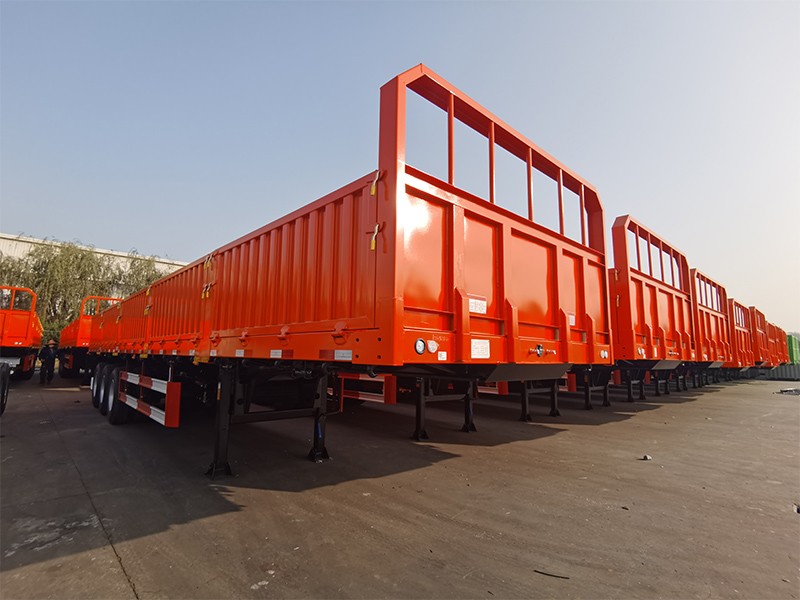
4. Implications for Transportation and Logistics
Understanding the height of semi trailers is vital for transportation and logistics operations. Here are a few implications:
4.1 Route Planning
When planning routes for transportation, it is essential to consider the height of the trailer to avoid low bridges, overpasses, and other obstacles that could pose risks during transit. Proper route planning can help prevent accidents and delays.
4.2 Loading and Unloading Operations
The height of the semi trailer can affect loading and unloading procedures. For instance, warehouses and distribution centers must have appropriate loading docks that accommodate the height of the trailers used for deliveries.
4.3 Compliance with Regulations
Trucking companies must ensure that their trailers comply with local and federal regulations regarding height. Non-compliance can lead to fines and operational delays, impacting overall business efficiency.
4.4 Safety Considerations
Understanding the height of semi trailers is also crucial for safety. Operators must be aware of the trailer's height to ensure safe maneuvering, particularly in urban areas with low-clearance structures.
The height of semi trailers is a critical factor in the transportation and logistics industry. With a typical height of around 13.5 feet (4.1 meters) for standard trailers, understanding this dimension is essential for effective route planning, compliance with regulations, and ensuring safe loading and unloading operations.
As the logistics landscape continues to evolve, trucking companies must stay informed about industry standards and regional regulations to optimize their operations and maintain safety. By understanding the height and dimensions of semi trailers, companies can enhance their efficiency and contribute to the smooth functioning of supply chain operations.
In summary, semi trailers are not just about transporting goods; they are a complex component of the logistics system that requires careful planning and consideration. Understanding their height and related factors can lead to improved operational efficiency and safety in the transportation industry.
With over 30 years of expertise in the special vehicle industry, Rhinox Vehicle is a trusted semi trailers manufacturer and supplier, delivering approximately 8,000 vehicles annually.


Recommended Products
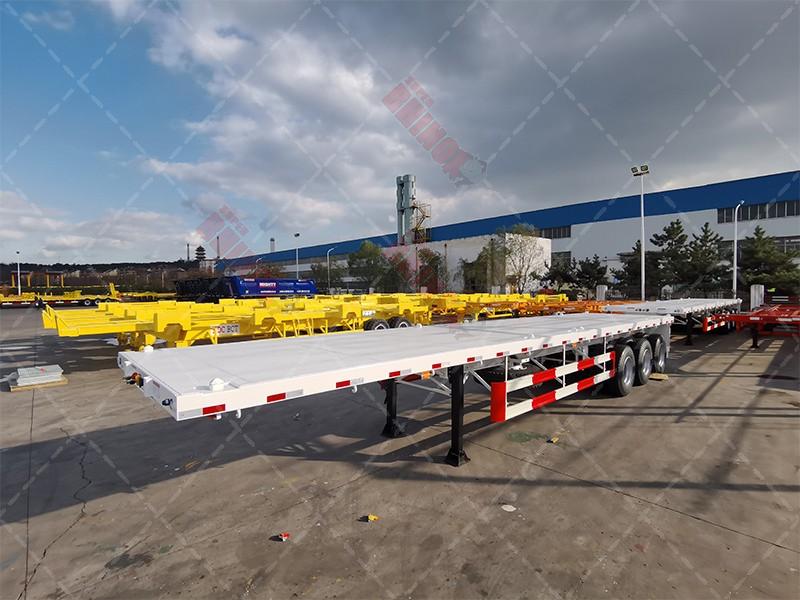
40ft high bed container semi trailer with three axles
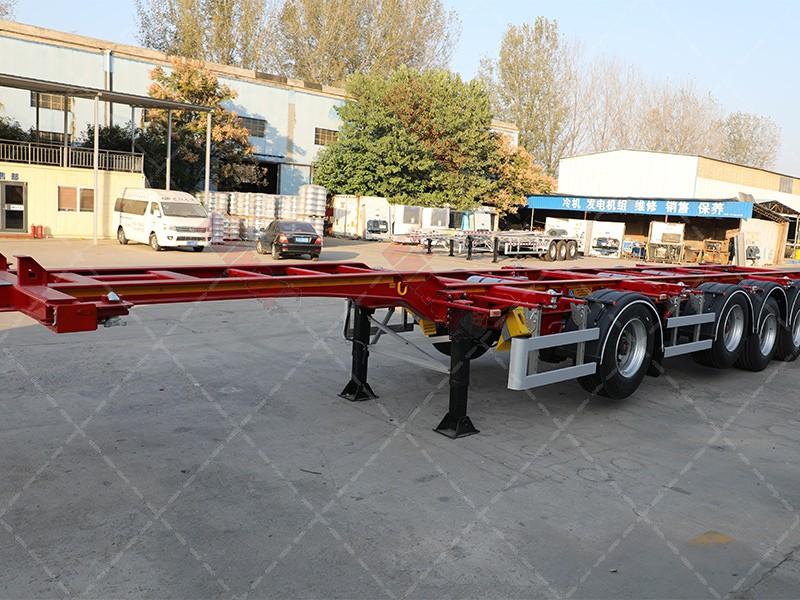
40 foot chassis container semi trailer with Four axles( 18 wheeler trailer truck)
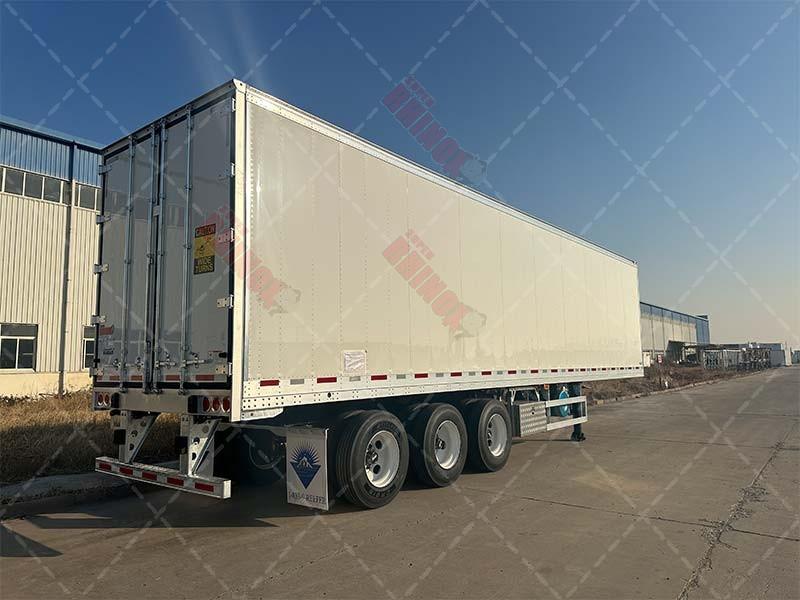
Cimc Vanguard 40ft Reefer Semi trailer
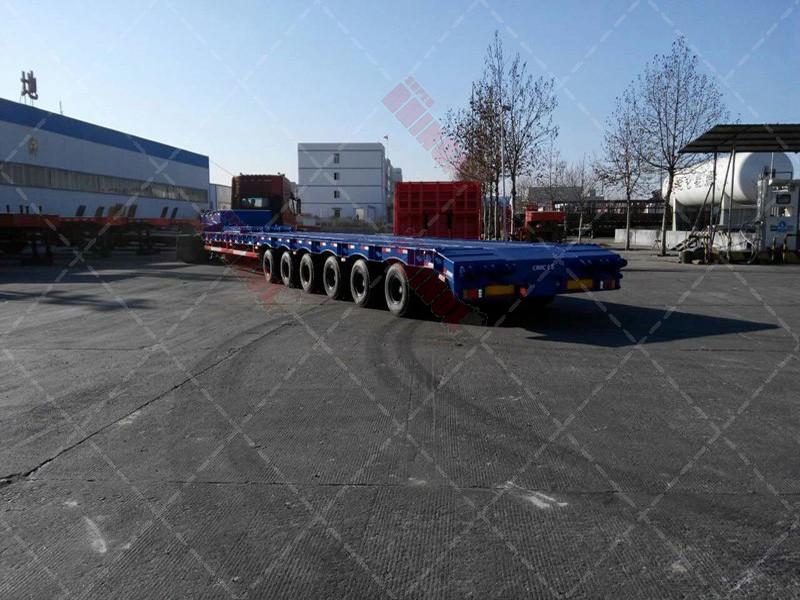
22m Semi Lowbed Trailer with Six axles
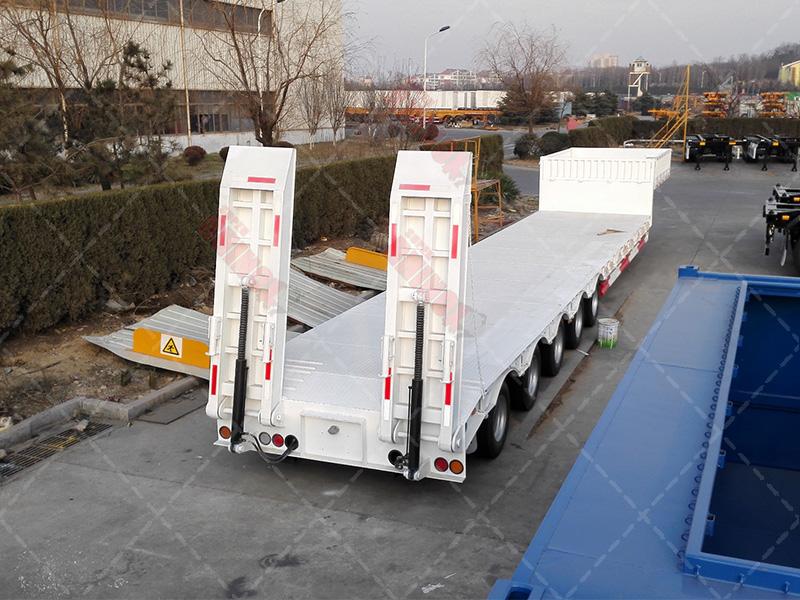
20m Semi Lowbed Trailer with Five axles
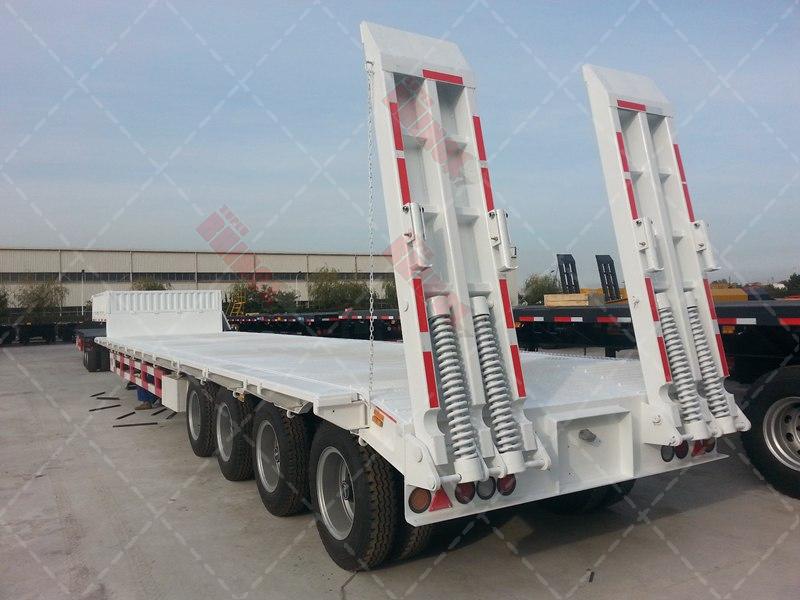
16m Lowbed semi trailer with four axles
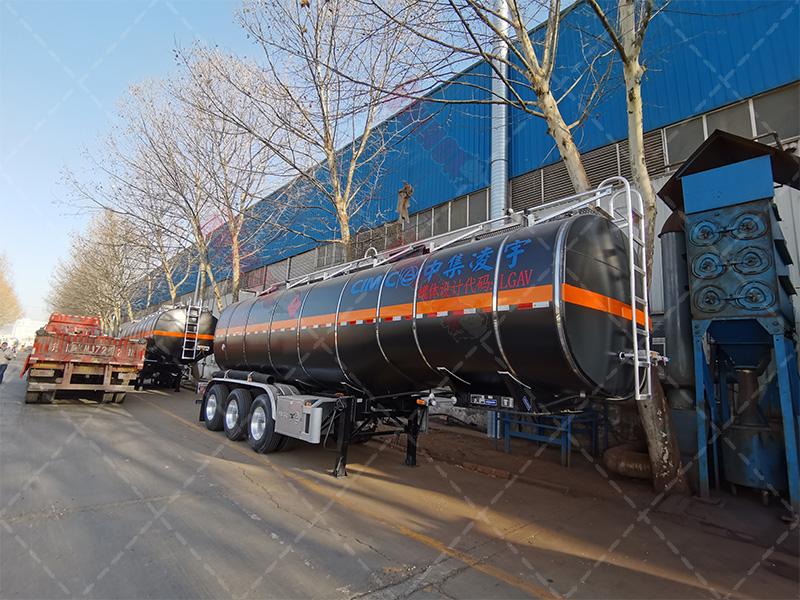
40CBM Bitumen Tanker Semi-trailer
Recent News
1.How to properly load and secure cargo on a semi truck triple trailer?
2023-12-042.What is the average lifespan of a semi tipper for sale?
2024-01-123.What's the difference between semi trailer and trailer?
2024-07-194.What is a lowbed semi trailer?
2024-11-155.Difference between semi trailer and trailer-Super RHINOX VEHICLE
2024-12-056.What is the difference between full trailer vs semi trailer?
2024-12-207.How long is a semi truck with trailer
2024-12-318.How Long is a Semi Truck Trailer-Qingdao Super Rhinox
2025-01-07